Porcelain Tiles for Hospitality Projects: Hotels, Resorts and Restaurants
Table of Contents
- Why Are Porcelain Tiles Considered for Hospitality Projects?
- How Are Porcelain Tiles Used in Different Hospitality Spaces?
- What Factors Should You Consider When Selecting Tiles for Hospitality Projects?
- How Should Tile Requirements Differ Between Hotels, Resorts and Restaurants?
- How Can Porcelain Tiles Support a Consistent Hospitality Interior Design?
- What Should You Check Before Finalising Porcelain Tiles for a Hospitality Project?
- Porcelain Surface Options by Lioli Ceramica
- Conclusion
Porcelain tiles are considered for hospitality projects because they offer a combination of design flexibility, practical maintenance requirements, and surface options for different interior applications. Hotels, resorts, and restaurants have different flooring and wall requirements depending on guest movement, daily operations, cleaning routines, and interior design concepts. Selecting porcelain tiles for hospitality projects involves evaluating the intended application, surface finish, tile dimensions, and technical specifications.
From hotel reception areas and guest rooms to resort common spaces and restaurant dining areas, the right tile selection can contribute to functional and visually coordinated hospitality interiors.
Why Are Porcelain Tiles Considered for Hospitality Projects?
Hospitality environments need surfaces that support regular use while maintaining a consistent interior appearance. Porcelain tiles are available in different colours, patterns, dimensions, and finishes, giving architects and designers flexibility when planning these spaces.
Their application can extend across floors, walls, reception areas, corridors, and selected outdoor tile spaces, depending on the product specifications. Different designs can also help create visual coordination between public areas and private guest spaces.
Maintenance is another consideration in hospitality projects. Hotels and restaurants follow regular cleaning routines, so surface selection should account for the cleaning methods and operational requirements of each area. By evaluating these factors alongside product specifications, project teams can identify porcelain surfaces suitable for their intended applications.
How Are Porcelain Tiles Used in Different Hospitality Spaces?
Each hospitality environment has different functional and design requirements. Tile selection should reflect how a particular space is used rather than applying the same material specifications throughout the property.
Porcelain Tiles for Hotel Lobbies and Reception Areas
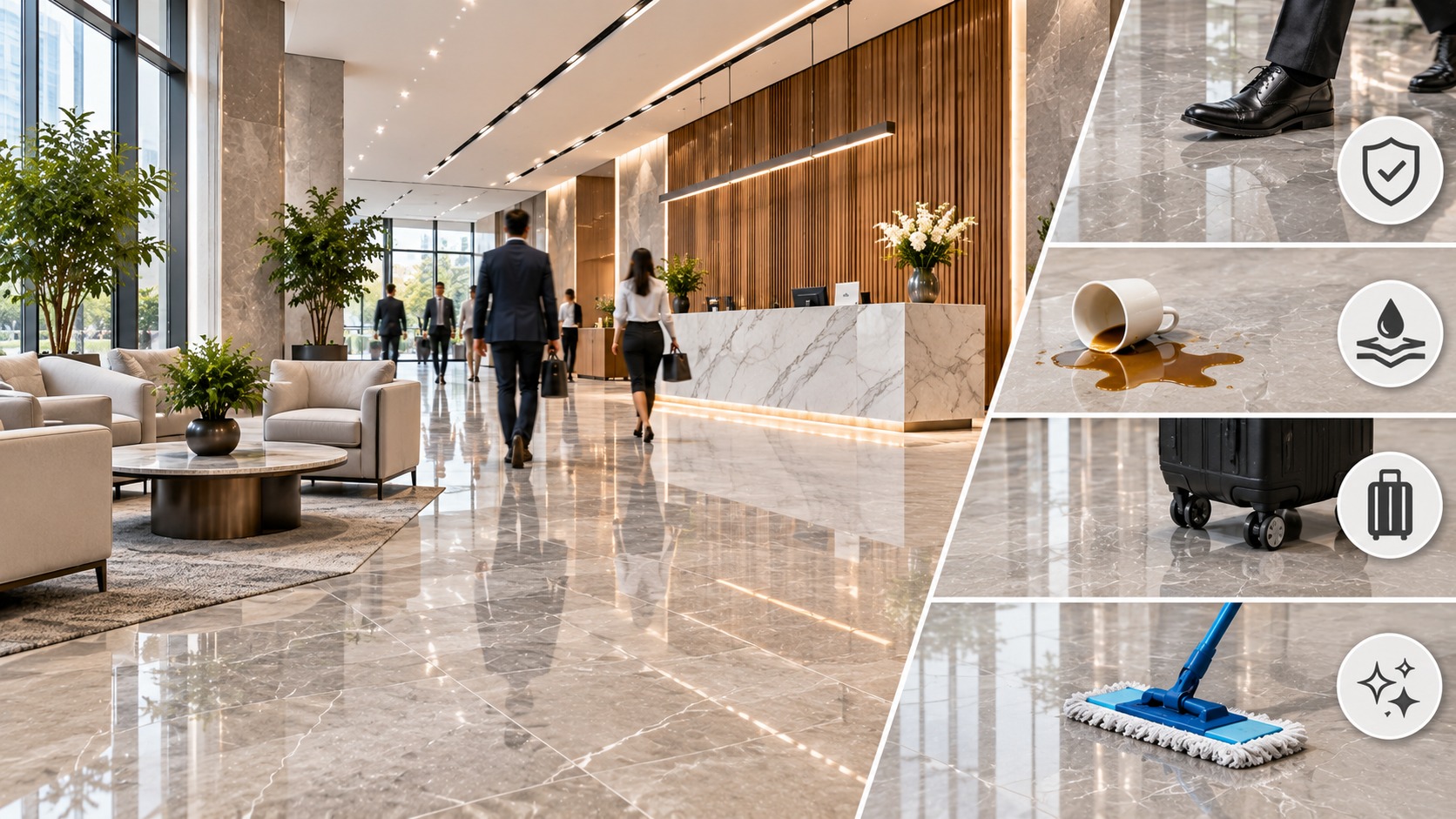
Hotel lobbies and reception areas create the first impression for guests. Flooring and wall surfaces contribute to the overall visual identity of these spaces. Porcelain tiles in coordinated colours, patterns, and formats can support different interior concepts, from contemporary reception areas to more classic hospitality settings.
Since these areas experience regular guest movement and luggage traffic, project teams should consider the expected usage, surface finish, cleaning requirements, and product specifications before finalising a selection.
Porcelain Tiles for Hotel Guest Rooms and Corridors
Guest rooms require surfaces that complement the furniture, lighting, wall finishes, and overall room design. Porcelain tiles can be selected in different colours and formats to create a consistent visual arrangement.
Corridors connect guest rooms with common areas and experience regular movement throughout the day. Tile dimensions, grout arrangements, and maintenance requirements should therefore be considered during planning. Coordinating the design of guest rooms and corridors can also help maintain a consistent interior style across the property.
Porcelain Tiles for Resort Interiors and Outdoor Areas
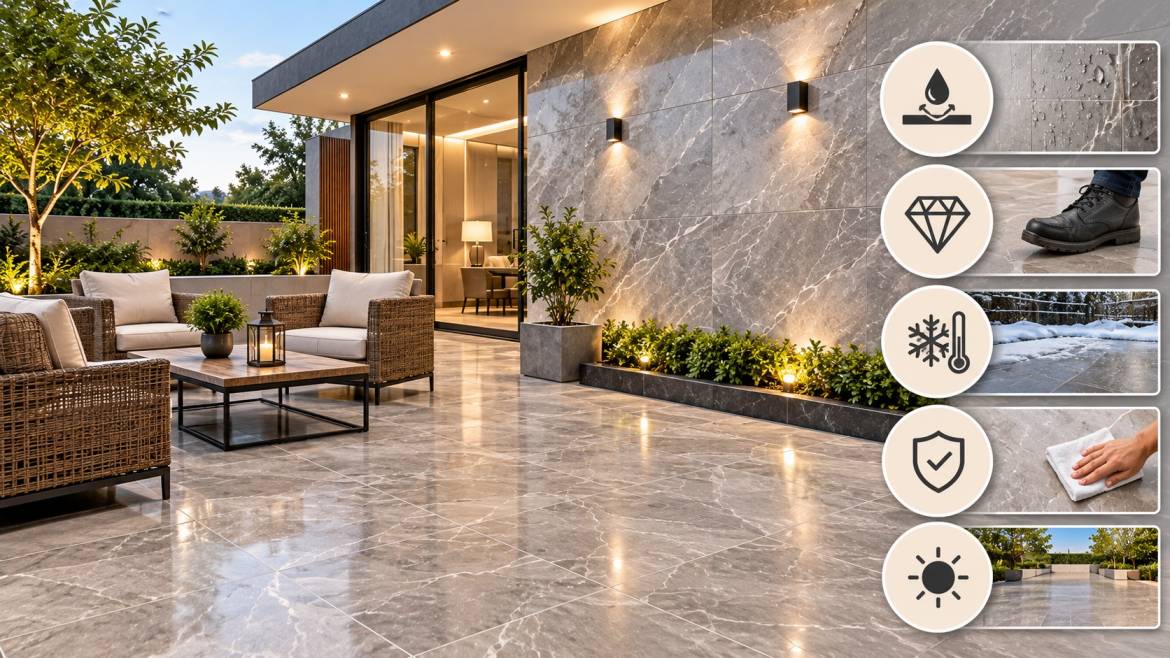
Resorts often include a combination of indoor spaces, shared facilities, terraces, and outdoor areas. Tile selection should account for the different environmental and functional conditions across these locations.
For interior common areas, designers can consider porcelain tile colours and finishes that complement the resort's architectural concept. For outdoor applications, product suitability, slip resistance, weather exposure, drainage, and installation requirements need particular attention. Not every porcelain tile is suitable for exterior use, so the manufacturer's technical recommendations should guide the selection.
Porcelain Tiles for Restaurant Dining Areas
Restaurant interiors need surfaces that complement the dining concept while supporting everyday operations. Flooring can influence the overall appearance of the dining area and its relationship with furniture, lighting, and wall finishes.
Restaurant floor tiles should be evaluated according to customer movement, staff activity, cleaning routines, and application-specific safety requirements. Surface finishes should be selected carefully, particularly in areas where spills or moisture may occur.
What Factors Should You Consider When Selecting Tiles for Hospitality Projects?
Choosing commercial porcelain tiles for hospitality spaces involves more than comparing colours and patterns. Each selection should reflect the functional requirements of the installation area.
- Foot traffic: Consider the expected movement of guests, employees, and service staff. Public areas may require different specifications from private guest spaces.
- Surface finish: Evaluate the finish according to the intended application, cleaning routines, and relevant slip-resistance requirements.
- Maintenance: Consider how frequently the area will be cleaned and whether the selected surface is compatible with the property's cleaning procedures.
- Tile dimensions: Choose formats that work with the room proportions, layout, and installation plan.
- Design coordination: Consider how tile colours, patterns, and finishes relate to furniture, walls, lighting, and other interior materials.
- Product specifications: Check the manufacturer's technical information to confirm suitability for the intended wall or floor application.
Considering these factors during the planning stage can help project teams make more informed material decisions.
How Should Tile Requirements Differ Between Hotels, Resorts and Restaurants?
Although all three environments fall under hospitality, their surface requirements are not identical. Hotels focus on guest accommodation and shared public areas, resorts combine interior and outdoor environments, while restaurants have specific dining and operational requirements.
|
|
|
|
|
|
|
|
|
|
|
|
For example, a tile selected for a hotel reception area may not be suitable for a restaurant kitchen or an exposed resort terrace. Each location should be evaluated separately according to its use, environmental conditions, and installation requirements.
How Can Porcelain Tiles Support a Consistent Hospitality Interior Design?
A consistent interior design helps connect different areas of a hospitality property without making every space look identical. Porcelain tiles offer different colours, patterns, and formats that designers can use to create a coordinated visual approach.
For example, complementary flooring and wall finishes can connect reception areas with adjoining corridors, while different tile patterns can help distinguish dining spaces from guest areas. Tile dimensions should also be considered in relation to room proportions, furniture placement, and lighting.
Selecting finishes that work together can create a balanced interior while allowing each hospitality space to retain its own identity.
What Should You Check Before Finalising Porcelain Tiles for a Hospitality Project?
Before confirming tile selections, architects, designers, and project teams should review the following points:
- Intended installation area, including walls, floors, or outdoor surfaces.
- Expected foot traffic and usage conditions.
- Surface finish and relevant slip-resistance requirements.
- Tile dimensions and layout requirements.
- Cleaning and maintenance considerations.
- Product specifications and application suitability.
- Installation recommendations, adhesive, and grout requirements.
Reviewing these details before procurement can help avoid material mismatches and support a more organised installation process.
Porcelain Surface Options by Lioli Ceramica
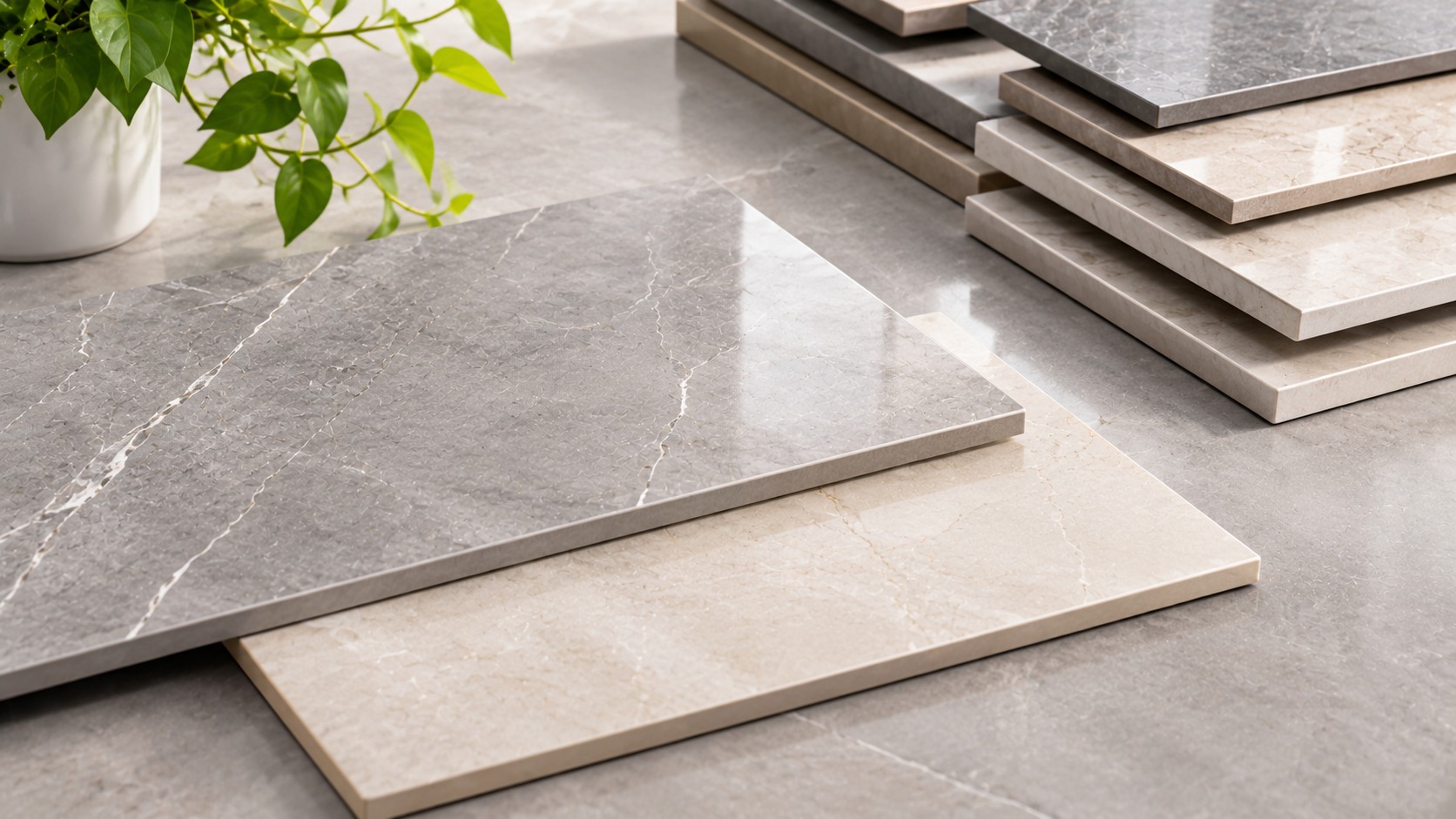
Lioli Ceramica offers porcelain tile collections that can be considered for different interior design requirements. When planning hospitality spaces, architects, designers, and project teams can evaluate available designs, dimensions, and finishes according to the intended application. Reviewing product specifications is important to confirm whether a particular tile is suitable for reception areas, guest spaces, dining environments, or other project requirements before finalising the selection.
Conclusion
Porcelain tiles can contribute to the functional and visual planning of hospitality projects when selected according to the requirements of each space. Hotels, resorts, and restaurants have different needs related to guest movement, maintenance, surface finishes, and interior design. Evaluating these factors alongside product specifications helps create more suitable surface selections for different hospitality environments.
Lioli Ceramica offers porcelain tile options for a range of interior design applications. By considering available designs, dimensions, finishes, and technical specifications, hospitality project teams can make informed decisions when planning coordinated surfaces for their properties.
Frequently Asked Questions
Are Porcelain Tiles Suitable for Hotels and Resorts?
Yes, porcelain tiles can be considered for different hotel and resort applications, including reception areas, guest rooms, corridors, and selected outdoor spaces. Suitability depends on the product specifications, surface finish, environmental conditions, and intended installation.
Which Porcelain Tiles Are Best for Hotel Lobbies?
The selection depends on the lobby's design concept, expected guest movement, cleaning requirements, and desired appearance. Tile dimensions, surface finish, and technical specifications should all be evaluated before finalising the flooring.
What Type of Tiles Are Suitable for Restaurant Flooring?
Restaurant flooring should be selected according to customer movement, staff activity, cleaning routines, and safety requirements. Porcelain tiles may be considered when the chosen product has suitable specifications and surface characteristics for the intended area.
Are Porcelain Tiles Easy to Maintain in Hospitality Spaces?
Porcelain tiles generally have practical cleaning requirements, but maintenance depends on the surface finish, grout joints, cleaning products, and installation quality. Hospitality properties should follow the manufacturer's recommended cleaning instructions.
Can Porcelain Tiles Be Used for Indoor and Outdoor Hospitality Areas?
Yes, suitable porcelain tile products can be used in both indoor and outdoor areas. However, outdoor applications require careful evaluation of slip resistance, weather exposure, drainage, and installation requirements. Product specifications should always guide the decision