Benefits of Using Porcelain Slabs in Commercial Spaces
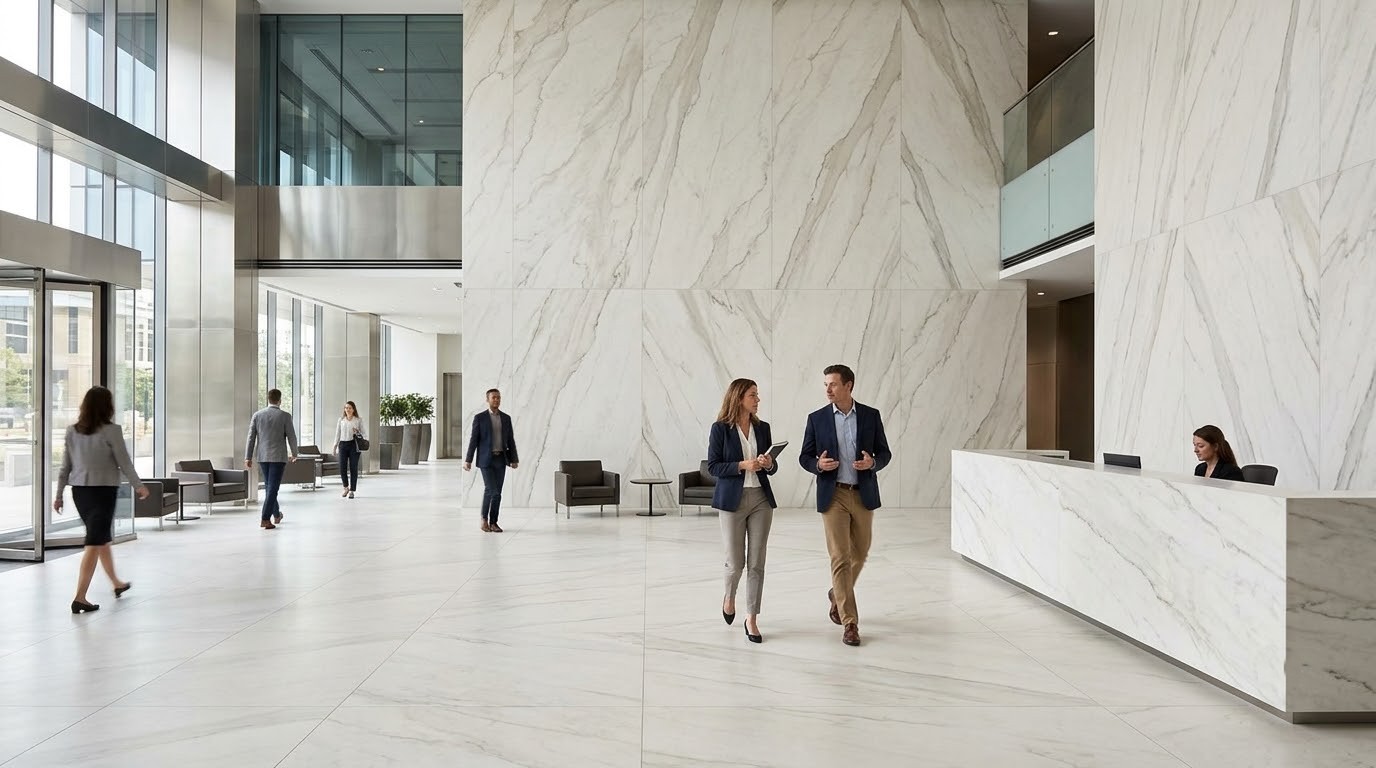
Table of Contents
- What Makes Porcelain Slabs Suitable for Commercial Spaces?
- What Are the Main Benefits of Porcelain Slabs in Commercial Interiors?
- Where Can Porcelain Slabs Be Used in Commercial Spaces?
- What Should You Consider Before Specifying Porcelain Slabs?
- Lioli Ceramica for Commercial Surface Design
- Conclusion
- Frequently Asked Questions
Porcelain slabs offer design versatility, large-format surface coverage, and flexibility for selected commercial interior applications. They can be considered for hotels, offices, retail stores, reception areas, and other business environments where surface appearance, maintenance requirements, and technical suitability are important.
Choosing the right surface involves more than aesthetics. Architects, interior designers, developers, and business owners should consider the intended application, slab dimensions, finish, installation requirements, and expected use. Understanding these factors helps determine whether porcelain slabs are suitable for a particular commercial project.
What Makes Porcelain Slabs Suitable for Commercial Spaces?
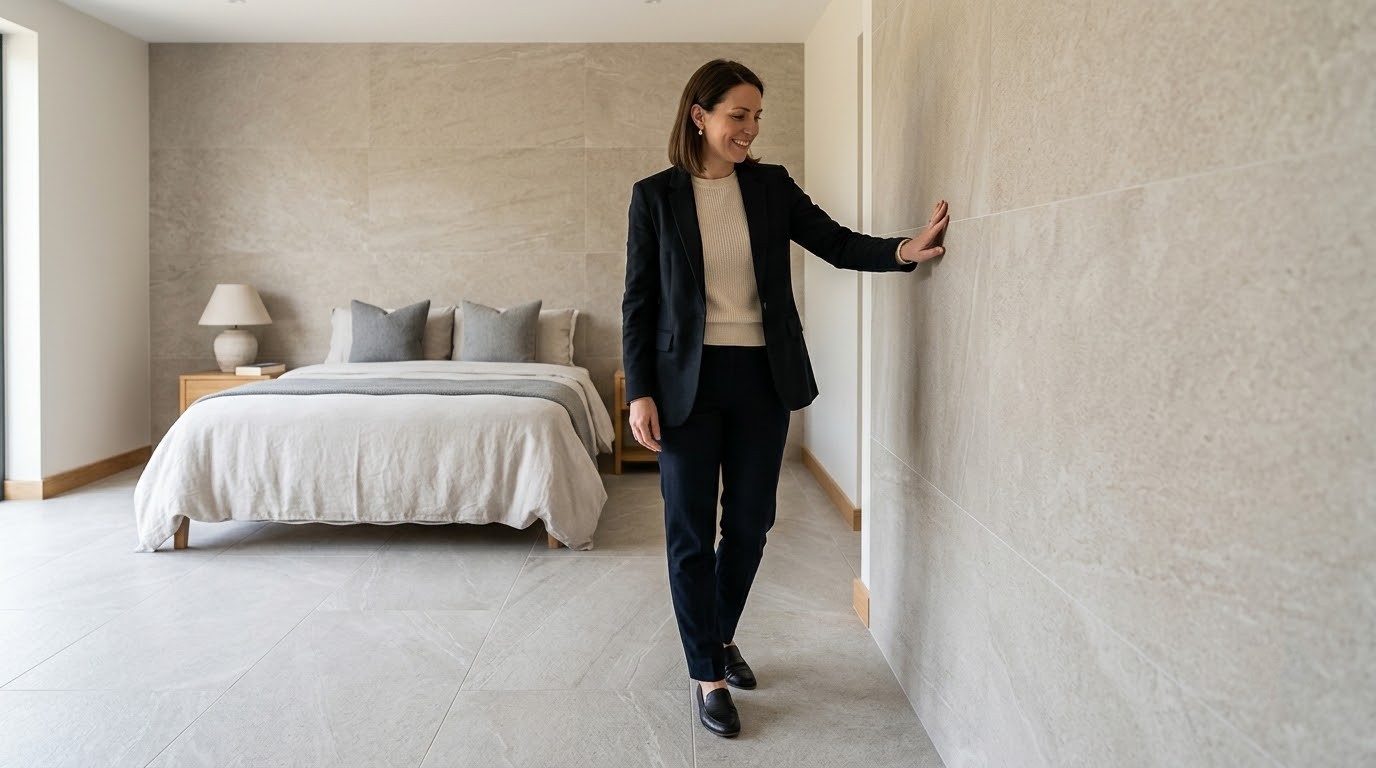
Porcelain slabs are large-format surfaces used in architectural and interior design. Compared with smaller tile formats, they can cover larger areas with fewer visible joints, depending on the slab dimensions and installation layout.
Their range of colours, patterns, and surface appearances gives designers flexibility when planning commercial interiors. They can be considered for feature walls, reception counters, selected flooring applications, and other architectural surfaces, provided the product meets the requirements of its intended use.
For commercial projects, selection should account for the design objective, technical specifications, fabrication, installation, and ongoing care.
What Are the Main Benefits of Porcelain Slabs in Commercial Interiors?
1. Create a More Continuous Surface Appearance
Large-format porcelain slabs can create a more continuous visual appearance across expansive surfaces. Fewer visible joints can help maintain the flow of a pattern, particularly on feature walls, reception backdrops, and selected architectural surfaces.
This approach can be useful in hotel lobbies, corporate reception areas, and retail interiors where a coordinated appearance contributes to the overall design.
However, large slabs do not create completely seamless installations. Joint placement, cutting, slab dimensions, and installation techniques influence the final result.
2. Support Consistent Commercial Design
Commercial environments often need a coordinated visual identity across different areas. Porcelain slabs allow designers to explore surface designs that complement the architecture, furniture, lighting, and branding of a business.
For example, a hotel may use complementary surfaces in its reception area and selected guest-facing spaces. A retail showroom may coordinate display backdrops and counter finishes to maintain a consistent design language.
The choice of colour, pattern, and finish should reflect the purpose of the space rather than following a single design trend.
3. Offer Flexibility Across Different Applications
Yes, porcelain slabs can be considered for several architectural and interior applications when the selected product is suitable for the intended use.
Common applications include:
- Feature walls and selected wall cladding.
- Reception desks and specified counter surfaces.
- Retail display backgrounds and showroom features.
- Selected commercial flooring applications.
- Architectural surfaces in hospitality and corporate interiors.
This flexibility allows designers to coordinate surfaces across a project. However, slab thickness, fabrication requirements, support systems, and technical specifications must be assessed separately for each application.
4. Simplify Routine Surface Care
Maintenance is an important consideration in commercial spaces because surfaces may be exposed to dust, spills, regular use, and frequent cleaning. Suitable porcelain surfaces can be practical options where routine cleaning is part of daily operations.
Actual maintenance requirements depend on the product's finish, installation, joint materials, and exposure conditions. Businesses should follow the manufacturer's care instructions and use appropriate cleaning products.
Planning surface care during the specification stage helps facility teams understand the requirements for maintaining the finished installation.
5. Provide Design Versatility
Commercial interiors serve different purposes, from professional offices to hospitality spaces and retail showrooms. Porcelain slabs are available in varied surface appearances, colours, and patterns, allowing designers to develop different visual concepts.
Natural-inspired patterns can complement restrained interiors, while more distinctive designs can establish focal points in reception areas or showrooms. Neutral surfaces may also help keep attention on furniture, displays, and branded elements.
This flexibility allows the selected surface to support the intended design direction without requiring every area to have the same appearance.
6. Support Long-Term Project Planning
Commercial surface selection should consider installation, maintenance, expected traffic, and future replacement needs, rather than focusing only on the initial appearance.
Porcelain slabs may suit projects where designers want to coordinate visual requirements with specified performance needs. However, their long-term suitability depends on the selected product, installation conditions, maintenance practices, and intended application.
Reviewing product documentation and consulting experienced fabricators or installers can help project teams make informed specification decisions.
Where Can Porcelain Slabs Be Used in Commercial Spaces?
Hotels and Hospitality Spaces
Porcelain slabs can be considered for hotel reception features, selected wall surfaces, counters, and other suitable interior applications. Coordinated surface choices can help establish a consistent design language across guest-facing areas.
Offices and Corporate Interiors
In offices, porcelain slabs may be used for reception backdrops, meeting-room features, and selected architectural surfaces. The finish and design should complement the workplace layout, lighting, furniture, and maintenance requirements.
Retail Stores and Showrooms
Retail environments use interior surfaces to support product presentation and brand identity. Porcelain slabs can provide backdrops for merchandise, selected display counters, and feature areas that complement the products on show.
Restaurants and Other Commercial Environments
Restaurants may consider porcelain slabs for selected counters, walls, and decorative surfaces. Areas exposed to heat, moisture, food, or frequent contact require careful product selection and compliance with relevant safety and hygiene requirements.
What Should You Consider Before Specifying Porcelain Slabs?
Before selecting porcelain slabs for commercial interiors, project teams should evaluate the following factors:
- Application: Confirm that the product is suitable for the intended wall, floor, counter, or architectural surface.
- Dimensions and thickness: Select a format that meets the design and technical requirements.
- Finish and safety: Assess suitability for the expected conditions, especially in areas exposed to moisture or frequent foot traffic.
- Fabrication and installation: Plan handling, cutting, substrate preparation, support, and installation with qualified professionals.
- Maintenance: Review cleaning instructions and expected care requirements.
- Project planning: Account for material quantities, cutting waste, installation resources, and future replacement needs.
Evaluating these factors early can help prevent specification issues and align the selected surface with the project's practical and design objectives.
Lioli Ceramica for Commercial Surface Design
Lioli Ceramica offers porcelain tile surface solutions for architectural and commercial interiors, giving architects, interior designers, and project professionals options to consider for different design concepts. Evaluate its porcelain-focused offering based on the intended application, surface appearance, format, finish, and project requirements.
When planning a commercial space, selecting surfaces as part of the complete interior scheme can help coordinate architectural details, furnishings, lighting, and the overall design direction. Lioli Ceramica's porcelain surfaces can be considered within this process, with final product selection guided by the technical specifications and installation requirements of each application.
Conclusion
Porcelain slabs offer commercial designers options for creating coordinated interiors across hospitality, office, retail, and other business environments. Their large-format appearance, design flexibility, and potential applications make them worth considering, provided the selected product meets the technical and installation requirements of the space.
Lioli Ceramica provides porcelain surface solutions for commercial and architectural projects. By evaluating the intended application, format, finish, and technical suitability, architects, designers, and project teams can make informed surface choices that align with their design objectives and practical requirements.
Frequently Asked Questions
What are the main benefits of porcelain slabs in commercial spaces?
Porcelain slabs offer design flexibility, fewer visible joints across large surfaces, and options for selected architectural applications. Suitability depends on product specifications, installation, and intended use.
Are porcelain slabs suitable for high-traffic commercial areas?
They may be suitable when the selected product meets the required flooring specifications. Slip resistance, wear performance, installation quality, and expected traffic should be assessed before selection.
Can porcelain slabs be used for commercial wall cladding?
Yes, when the slab, substrate, fixing system, and installation method are appropriate for the project. Professional assessment is important for safe installation.
Are porcelain slabs easy to maintain?
Routine care can be straightforward for suitable porcelain surfaces. Requirements depend on the finish, joints, installation, and exposure conditions, so manufacturer guidance should be followed.